





-
High Performance Network Cable
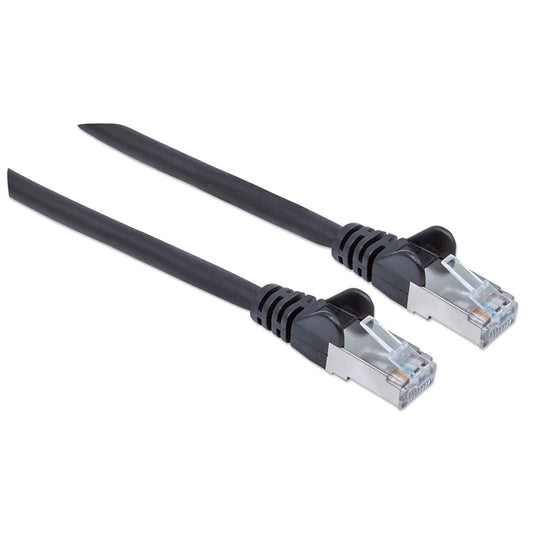
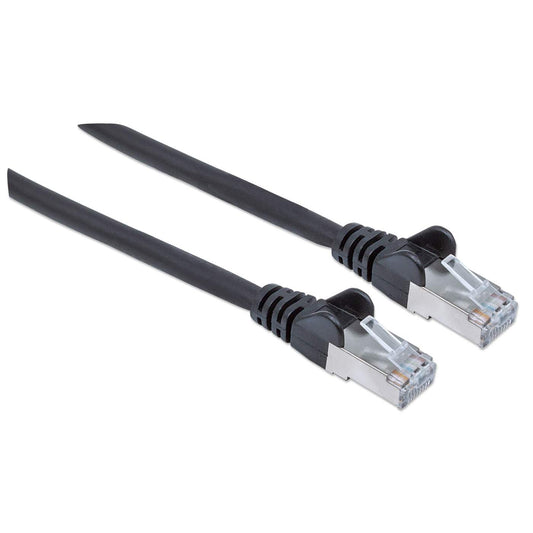
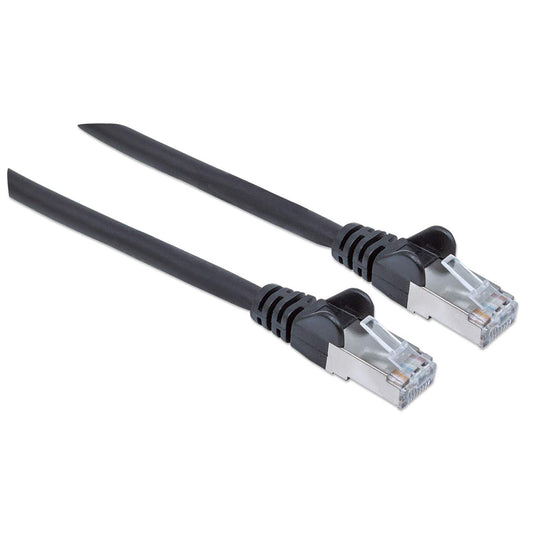
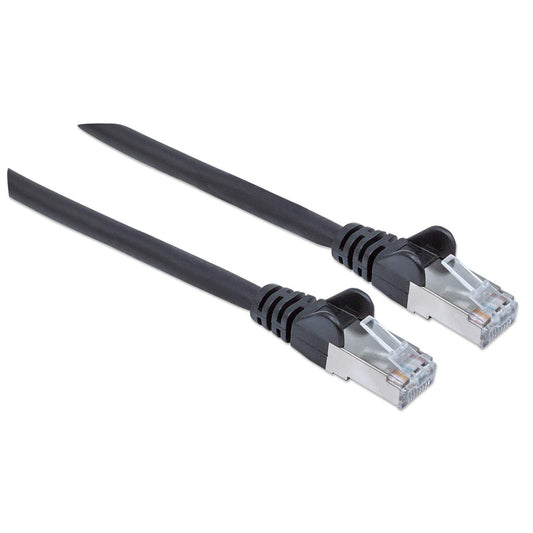
S/FTP 26 AWG, CAT7 Raw Cable, CAT6a Modular plugs, 0.5 m, BlackPart-No.: 740623Regular price €2,99Regular priceUnit price per -
CAT6a S/FTP Network Cable
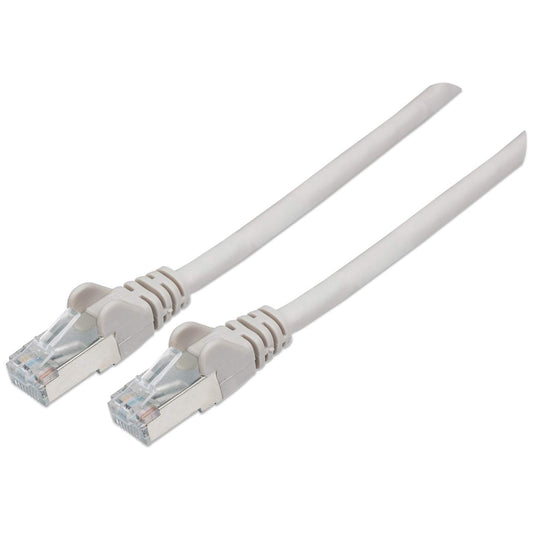
LSZH, 15 m (50 ft.), GrayPart-No.: 317320Regular price €14,99Regular priceUnit price per -
LSOH Network Cable, Cat6, SFTP
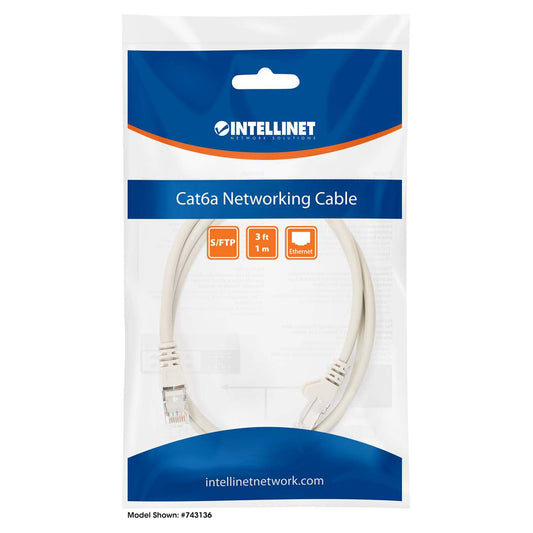
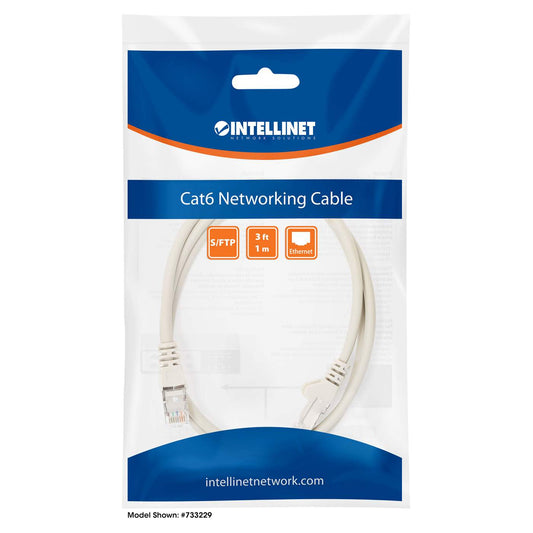
RJ45 Male / RJ45 Male, 1.0 m (3 ft.), GrayPart-No.: 733229Regular price €3,39Regular priceUnit price per -
Premium Network Cable, Cat6, SFTP
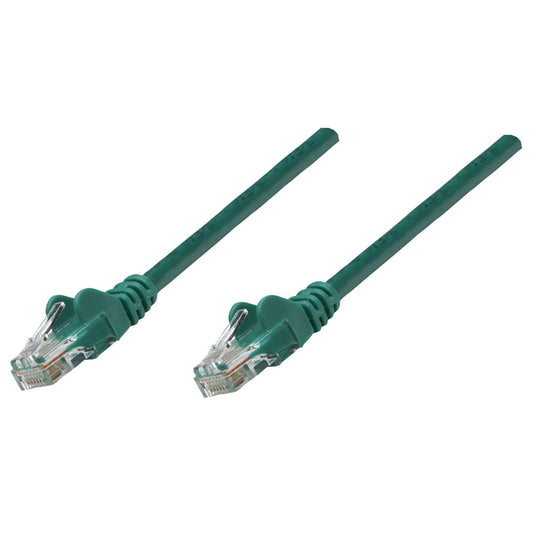
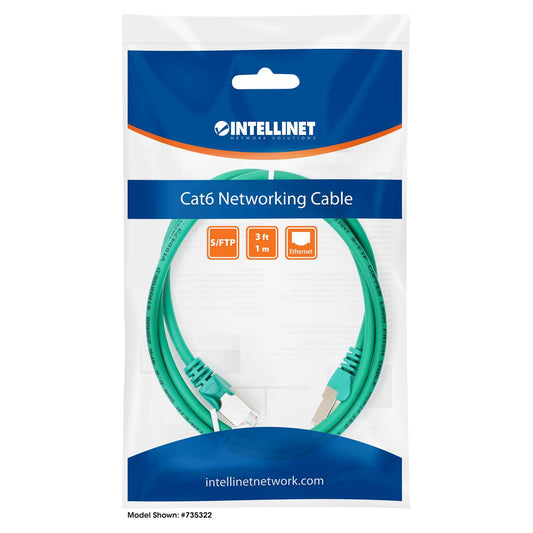
100% Copper, RJ45 Male / RJ45 Male, 1.5 m (5 ft.), GreenPart-No.: 739887Regular price €3,59Regular priceUnit price per -
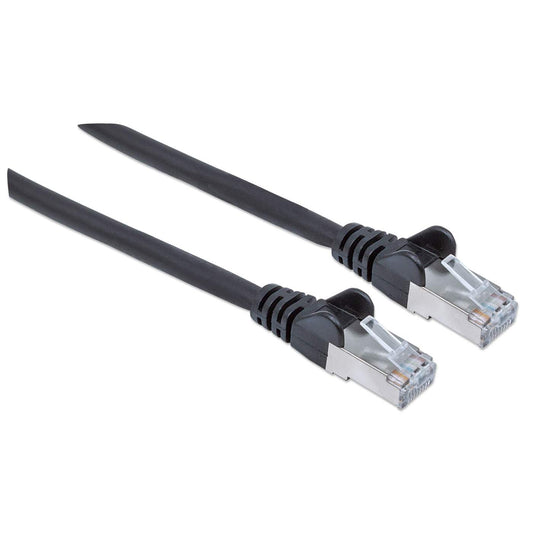
High Performance Network Cable
S/FTP 26 AWG, CAT7 Raw Cable, CAT6a Modular plugs, 20 m, BlackPart-No.: 741163Regular price €23,99Regular priceUnit price per -

 Out of stock
High Performance Network Cable
S/FTP 26 AWG, CAT7 Raw Cable, CAT6a Modular plugs, 5 m, BlackPart-No.: 740937Regular price €7,49Regular priceUnit price per -
High Performance Network Cable
S/FTP 26 AWG, CAT7 Raw Cable, CAT6a Modular plugs, 2 m, BlackPart-No.: 740814Regular price €4,99Regular priceUnit price per -
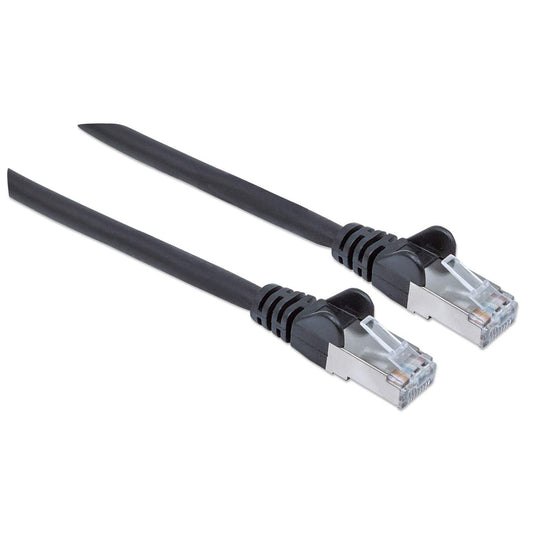
High Performance Network Cable
S/FTP 26 AWG, CAT7 Raw Cable, CAT6a Modular plugs, 1.5 m, BlackPart-No.: 740753Regular price €4,49Regular priceUnit price per -

 Out of stock
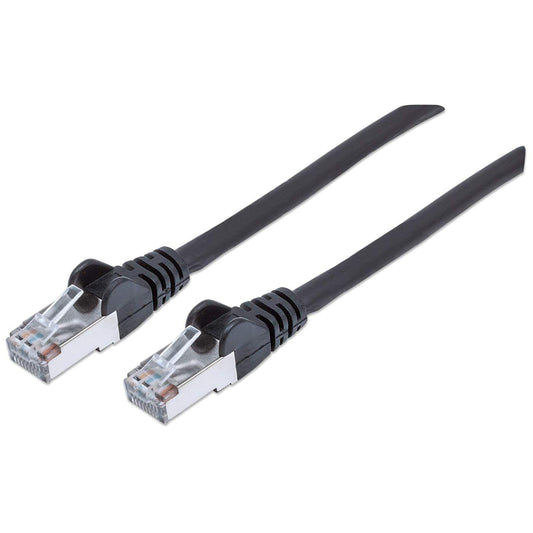
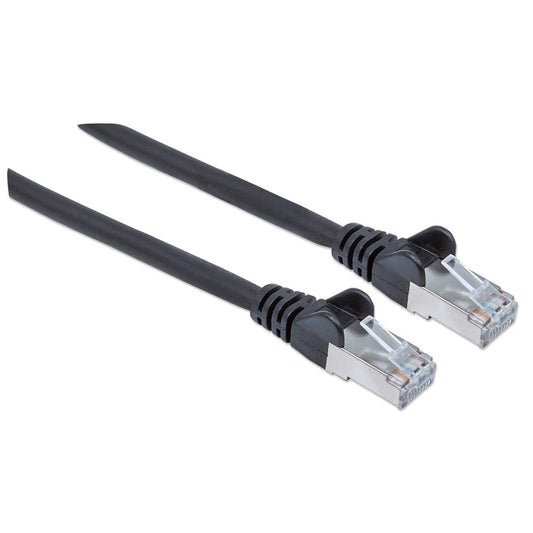
High Performance Network Cable
S/FTP 26 AWG, CAT7 Raw Cable, CAT6a Modular plugs, 1 m, BlackPart-No.: 740685Regular price €3,59Regular priceUnit price per -
 Out of stock
High Performance Network Cable
S/FTP 26 AWG, CAT7 Raw Cable, CAT6a Modular plugs, 0.25 m, BlackPart-No.: 740562Regular price €2,79Regular priceUnit price per -
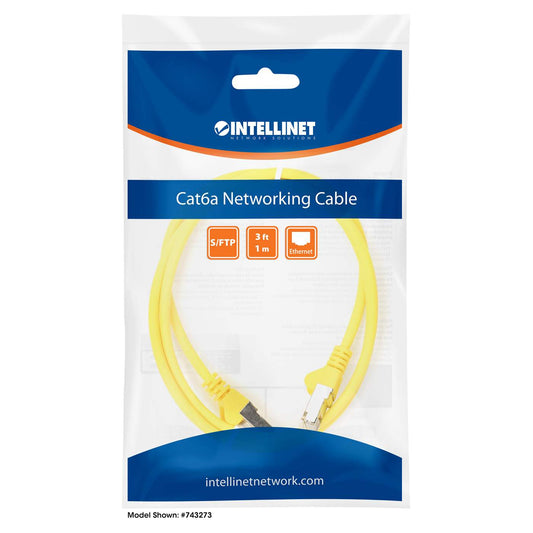
CAT6a S/FTP Network Cable
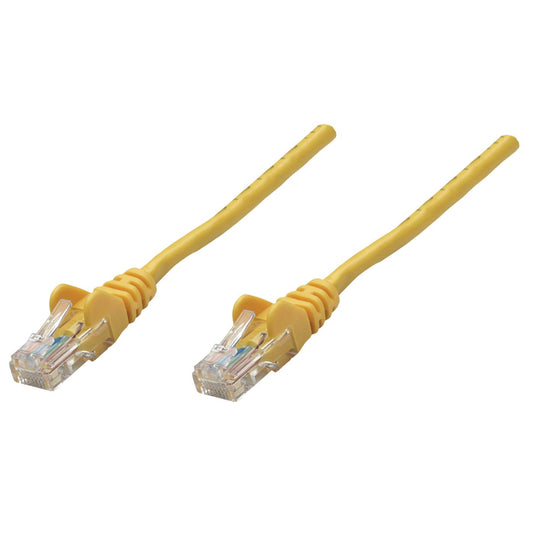
LSZH, 0.25 m (0.8 ft.), YellowPart-No.: 737036Regular price €2,69Regular priceUnit price per -
CAT6a S/FTP Network Cable
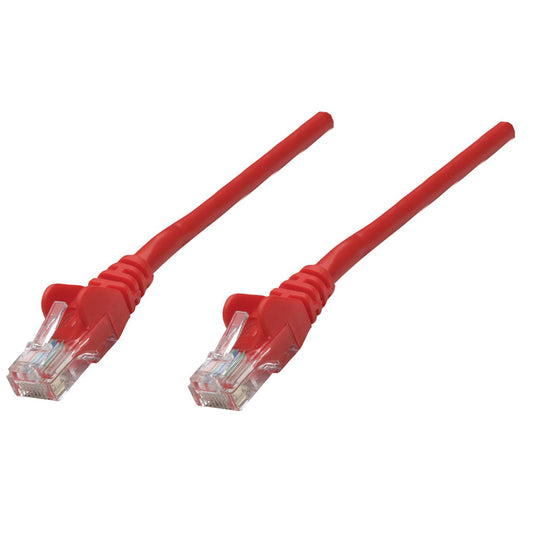
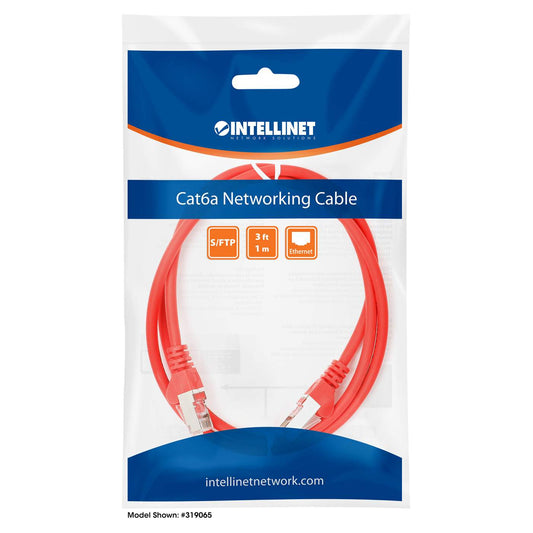
LSZH, 0.25 m (0.8 ft.), RedPart-No.: 737029Regular price €2,69Regular priceUnit price per -
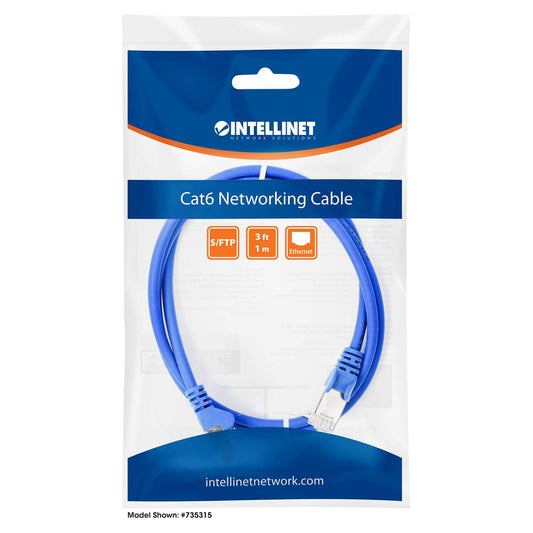
LSOH Network Cable, Cat6, SFTP
RJ45 Male / RJ45 Male, 1.0 m (3 ft.), BluePart-No.: 735315Regular price €3,39Regular priceUnit price per -
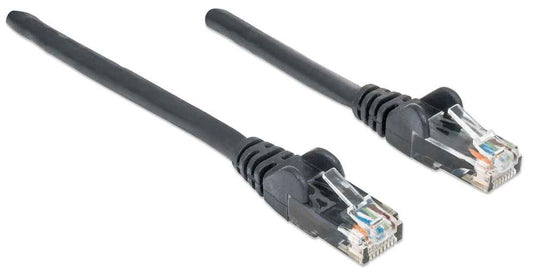
Cat6 U/UTP Network Patch Cable, 20 m (66 ft.), Black
10G, 250 MHz, 24 AWG, RJ45, Stranded, Snag-free, Gold-plated ContactsPart-No.: 730419Regular price €7,59Regular priceUnit price per -
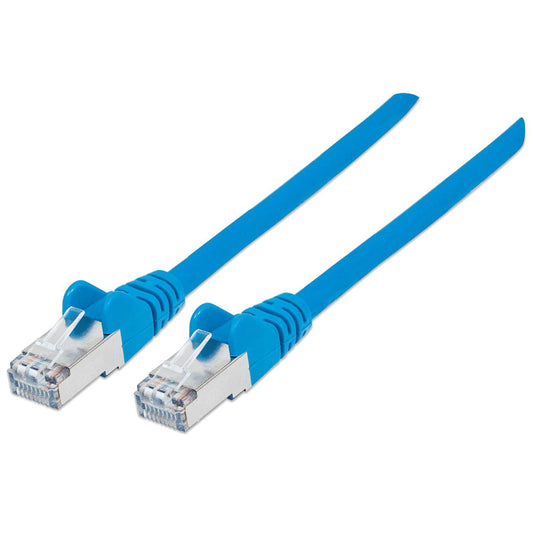
CAT6a S/FTP Network Cable
LSZH, 15 m (50 ft.), BluePart-No.: 350792Regular price €14,99Regular priceUnit price per -
Cat6 U/UTP Network Patch Cable, 1.5 m (5 ft.), Yellow
10G, 250 MHz, 24 AWG, RJ45, Stranded, Snag-free, Gold-plated ContactsPart-No.: 342353 [IEC-C6-YLW-5]Regular price €2,49Regular priceUnit price per









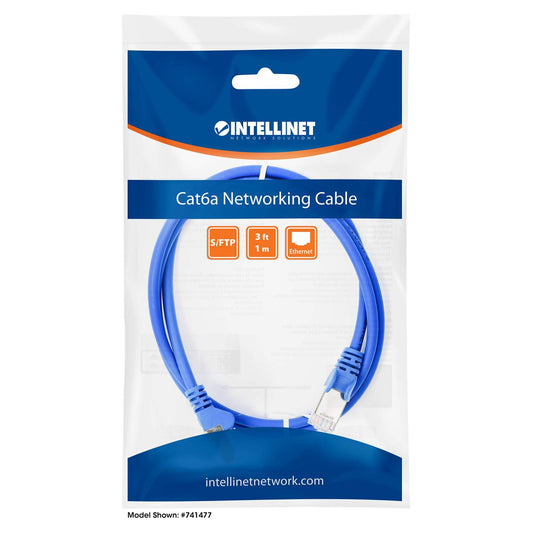

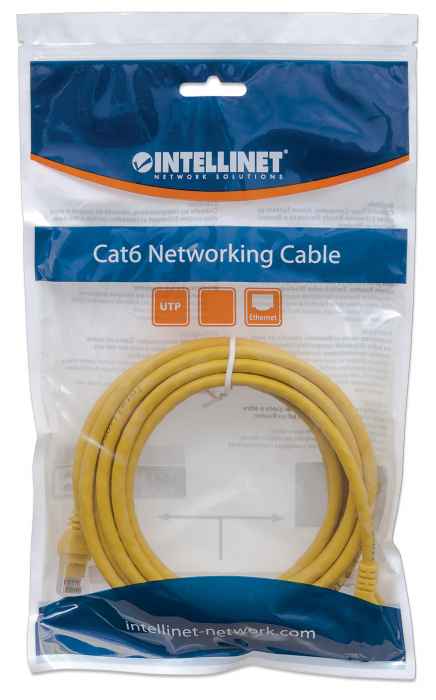
CHOOSING THE RIGHT PATCH CABLE
Which Patch Cable Do I Need?
Find the right cable category, shielding, and jacket type for home networks, office environments, data centers, and PoE applications.
| Application | Recommendation | Why? |
|---|---|---|
| Standard home networks & older devices | Cat5e U/UTP PVC | Cost-effective solution for Gigabit Ethernet and everyday network connections. |
| Home networking & gaming | Cat6 U/UTP PVC | Ideal for stable Gigabit connections and modern home networks with higher data loads. |
| Network cabinets, patch panels & high port densities | Cat6a Slim Patch Cable | Space-saving and flexible cabling for clean cable management in rack and patch panel environments with high port density. |
| Office workstations & structured cabling | Cat6a S/FTP | Reliable data transmission and improved protection against electromagnetic interference in modern office and network environments. |
| PoE cameras & access points | Cat6a S/FTP Copper | High signal quality and reliable power delivery over Ethernet (PoE/PoE+). |
| 10 Gigabit networks | Cat6a or Cat7 raw cable with Cat6a modular plug S/FTP | Supports high bandwidths and stable data transmission for 10 Gigabit applications. |
| Data centers & professional IT infrastructure | Cat6a or Cat7 raw cable with Cat6a modular plug S/FTP LSZH/LSOH | Halogen-free jacket and strong shielding for secure professional installations. |
| Public buildings & escape routes | LSZH/LSOH Patch Cable | Low smoke emission and no halogen-containing gases in case of fire. |
Cat5e, Cat6, Cat6a or Cat7 – What Are the Differences?
Choosing the right cable category affects transmission speed, shielding, and the future-proofing of modern networks.
Cat5e – the cost-effective foundation for Gigabit networks
Cat5e patch cables are suitable for standard Gigabit Ethernet connections in home networks and offices. They provide reliable data transmission for everyday applications and are a cost-effective solution for standard network environments.
Shop Cat5e Patch CablesCat6 – ideal for modern home networks and gaming
Cat6 patch cables support bandwidths up to 250 MHz and are designed for stable Gigabit and modern network connections in home environments. They are ideal for gaming, streaming, smart home setups, and data-intensive applications.
Shop Cat6 Patch CablesCat6a – for professional networks and PoE applications
Cat6a patch cables support bandwidths up to 500 MHz and enable stable 10 Gigabit connections over distances of up to 100 meters. This makes them ideal for professional network environments, structured cabling, and modern PoE applications.
Shop Cat6a Patch CablesCat7 – built for future network requirements
Patch cables using Cat7 raw cable with Cat6a modular plugs provide maximum bandwidth and excellent shielding against electromagnetic interference. They are especially suitable for professional network environments such as data centers, industrial applications, and modern 10 Gigabit networks.
Shop Cat7 Raw Cable with Cat6a Modular PlugsChoosing the Right Shielding for Your Network
The shielding of a patch cable protects network connections against electromagnetic interference. The right shielding type depends on the application, the cabling environment, and the requirements for signal quality and transmission reliability.
U/UTP – unshielded for simple network environments
U/UTP (“Unshielded / Unshielded Twisted Pair”) patch cables do not include additional shielding and are suitable for simple home networks or short cable runs without significant electromagnetic interference. They are flexible, lightweight, and cost-effective.
Shop U/UTP Patch CablesF/UTP – additional shielding for stable connections
F/UTP (“Foiled / Unshielded Twisted Pair”) patch cables feature an overall foil shield that reduces interference and improves signal quality. They are suitable for office installations and structured cabling environments with higher transmission reliability requirements.
Shop F/UTP Patch CablesS/FTP – maximum shielding for professional networks
S/FTP (“Shielded / Foiled Twisted Pair”) patch cables include additional shielding for individual wire pairs as well as an overall shield. This makes them especially suitable for professional network environments, PoE applications, data centers, and installations with higher levels of electromagnetic interference.
Shop S/FTP Patch CablesPatch Cable Materials & Jacket Types
Choosing the right cable material and jacket type affects signal quality, safety, and the intended application of a patch cable.
Copper – reliable signal quality for professional networks
Patch cables made from 100% copper provide stable signal transmission and are especially suitable for professional network environments and PoE applications. They support reliable power delivery over Ethernet and ensure high network performance as well as secure data transmission.
Shop 100% Copper Patch CablesPVC – flexible for standard network installations
PVC (“Polyvinyl Chloride”) cable jackets are durable, flexible, and suitable for many standard network environments. They are commonly used in home networks, offices, and general IT installations, providing a reliable solution for everyday indoor network cabling thanks to their robust outer jacket.
Shop PVC Patch CablesLSZH / LSOH – halogen-free for increased safety requirements
LSZH (“Low Smoke Zero Halogen”) or LSOH (“Low Smoke Zero Halogen”) patch cables reduce smoke generation in the event of fire and do not release halogen-containing gases. This makes them especially suitable for public buildings, data centers, and professional network installations with increased safety requirements.
Shop LSZH/LSOH Patch CablesChoosing Between Pure Copper and CCA Patch Cables
Patch Cables for PoE – Reliable Data and Power Delivery over Ethernet

Which patch cable is suitable for Gigabit Ethernet?
Cat5e patch cables are already suitable for standard Gigabit Ethernet networks.
For modern home networks, gaming, or professional applications, Cat6 and Cat6a provide higher bandwidth, improved performance, and increased transmission frequencies.
What is the difference between Cat6 and Cat6a?
Cat6a patch cables support
reliable 10 Gigabit connections over distances of up to 100 meters and often provide better protection against electromagnetic interference.
Cat6 is suitable for modern home networks and many standard networking applications, but typically supports 10 Gigabit Ethernet only over distances of up to approximately 55 meters.
When should a shielded patch cable be used?
Shielded patch cables such as F/UTP or S/FTP are suitable for network environments with higher requirements for signal quality and transmission reliability. They are commonly used in offices, data centers, PoE installations, or environments with increased electromagnetic interference.
What does LSZH or LSOH mean?
LSZH (“Low Smoke Zero Halogen”) or LSOH (“Low Smoke Zero Halogen”) refers to halogen-free cable jackets with reduced smoke generation in the event of fire. These patch cables are especially suitable for public buildings, data centers, and professional network installations.
LSZH is often part of health and safety regulations for poorly ventilated spaces, helping protect both people and equipment.
Why are 100% copper patch cables important for PoE?
Patch cables made from 100% copper provide reliable power and data transmission for PoE (Power over Ethernet) applications.
Compared to cables made from copper-clad aluminum, copper conductors have lower electrical resistance, reducing power loss and heat generation.
This makes them especially suitable for access points, IP cameras, VoIP phones, and professional network environments with higher requirements for stability and transmission reliability.
Which patch cables are suitable for 10 Gigabit networks?
For 10 Gigabit Ethernet, Cat6a patch cables as well as patch cables using Cat7 raw cable with Cat6a modular plugs are especially suitable. They provide high bandwidths and additional shielding for professional network environments.
What is the difference between U/UTP and S/FTP?
U/UTP patch cables do not include additional shielding and are suitable for simple home networks.
S/FTP patch cables include additional shielding for individual wire pairs as well as an overall shield, providing better protection against electromagnetic interference.

